
As a parent, one of the most important aspects of your child's overall health is their dental care. Pediatric dentistry, which focuses on the oral health of children from infancy through adolescence, plays a crucial role in setting the foundation for lifelong dental hygiene. From baby teeth to their permanent set, ensuring your child has healthy teeth and gums can prevent many future dental problems. At Springfield Dental, we understand that starting dental care early can make a significant difference in the long-term health of your child’s smile.
1. Start Early: The Importance of Infant Oral Care
In this detailed guide, we’ll explore effective tips and strategies to help you maintain your child’s oral health. From the basics of brushing to advanced preventive treatments, we’ll equip you with the knowledge you need to protect your child’s teeth and ensure they grow up with a healthy, confident smile.
Good oral hygiene should begin even before your child has teeth. While it may seem surprising, the foundation for a healthy mouth starts from infancy. Even though babies don't have teeth, they do have gums, and it's important to clean them. By wiping your baby’s gums with a clean, damp cloth after feedings, you can remove any lingering sugars that might lead to decay. This simple habit also introduces your child to the routine of oral hygiene.
2. First Dental Visit: Why It Matters and When to Schedule It
Once your baby’s first tooth emerges—usually around 6 months of age—switch to using a soft baby toothbrush with water. You can also introduce fluoride-free toothpaste designed for babies. This early introduction to dental care helps set the stage for lifelong healthy habits.
The American Academy of Pediatric Dentistry recommends that your child visit a pediatric dentist by their first birthday or within six months after the appearance of their first tooth. This visit is not just about checking for cavities, but also about educating parents on how to care for their child’s teeth.
3. Brushing and Flossing: Building Healthy Habits
During this visit, the pediatric dentist will check for early signs of dental issues, such as misaligned teeth, thumb-sucking, or teething problems. It’s also a great opportunity to discuss any concerns you may have, like fluoride use or teething discomfort. Starting early ensures that potential issues are caught early, allowing for prompt intervention and minimizing the chances of serious problems in the future.
As your child’s teeth begin to emerge, it’s essential to establish a good brushing routine. Brushing should begin as soon as the first tooth appears. At this stage, use a soft-bristled toothbrush and a tiny amount of fluoride toothpaste—just enough to cover the bristles.
4. Healthy Diet: The Role of Nutrition in Oral Health
From ages 2 to 3, children can start brushing their own teeth, but supervision is necessary. Make sure they are brushing for at least two minutes, twice a day. Children often struggle with brushing properly, so it’s essential to help them. You can make brushing fun by letting them pick out their toothbrush and toothpaste or by using a timer to ensure they brush for the full two minutes.
Flossing becomes necessary once your child’s teeth start touching. By age 3 or 4, most children need help flossing. At Springfield Dental, we recommend making flossing a routine habit to remove plaque and prevent gum disease, even in young children.
5. Dental Sealants: A Preventive Measure to Protect Your Child’s Teeth
What your child eats plays a significant role in the health of their teeth. A well-balanced diet full of fruits, vegetables, lean proteins, and whole grains supports overall health and helps prevent dental issues.
On the other hand, sugary snacks and drinks like soda, fruit juices, and candy can increase the risk of cavities. Sugar feeds the bacteria in the mouth that produce acid, which can wear down tooth enamel and lead to decay. To protect your child’s teeth, try to limit sugary foods and beverages and encourage healthier alternatives like fresh fruit, cheese, and yogurt.
6. Thumb Sucking and Pacifiers: Dealing with Common Habits
It’s also important to encourage your child to drink plenty of water, especially after meals or snacks. Water helps wash away food particles and sugars, reducing the risk of cavities.
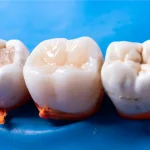
Dental sealants are a simple and effective preventive treatment that can protect your child’s teeth, especially the molars, from cavities. These thin coatings are applied to the chewing surfaces of back teeth to seal out food and bacteria.
7. Orthodontic Evaluation: Early Detection of Dental Issues
Sealants are especially useful because children often struggle to clean their back teeth thoroughly. The deep grooves in molars can trap food particles and plaque, leading to cavities. By applying sealants, you provide an extra layer of protection. This treatment is quick, painless, and can last for several years, offering long-term cavity prevention.
Thumb sucking and pacifier use are common habits for infants and toddlers. However, prolonged thumb sucking can affect the alignment of teeth and the growth of the mouth. If your child continues to suck their thumb past the age of 3 or 4, it may be time to seek advice from a pediatric dentist.