Cavities are one of the most common dental problems affecting both children and adults. While brushing, flossing, and regular dental checkups play a crucial role in maintaining oral health, dental sealants offer an added layer of protection that many people overlook. Dental sealants are a preventive solution that can significantly reduce the risk of tooth decay—especially on the back teeth where cavities tend to form.
What Are Dental Sealants?
In this blog, we’ll explore what dental sealants are, how they work, who should get them, and why they’re an essential part of modern preventive dental care.
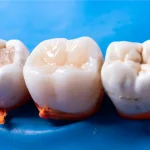
Dental sealants are thin, protective coatings made of plastic or resin that are applied to the chewing surfaces of molars and premolars. These areas have deep grooves and pits that are hard to clean, making them prone to trapping food particles and plaque. Over time, this can lead to cavities.
How Dental Sealants Work
Sealants act as a barrier, preventing bacteria and acids from settling into the grooves of the teeth. Once applied, they quickly bond to the enamel and harden, offering years of protection.
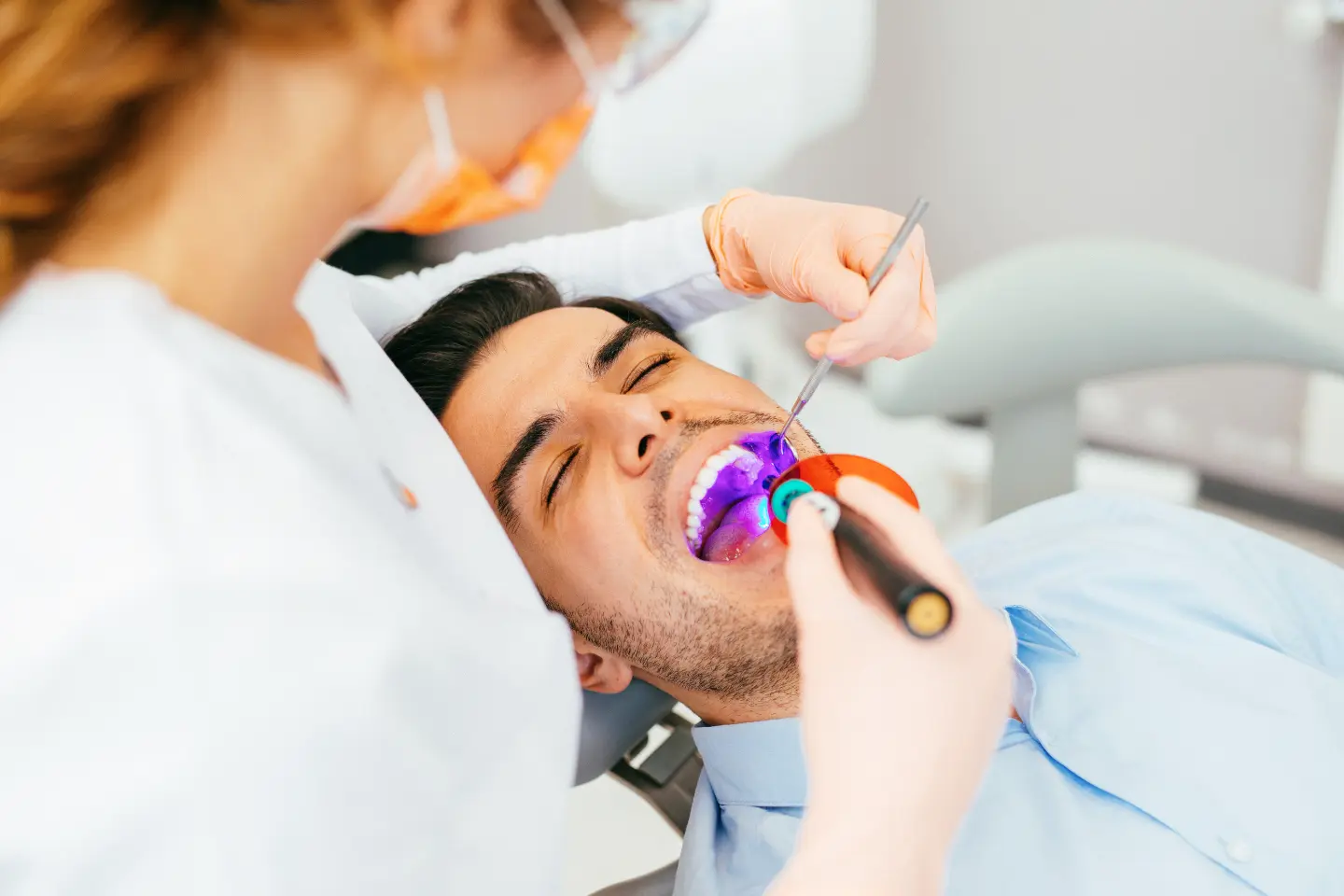
The process of applying dental sealants is quick, painless, and non-invasive:
Who Should Get Dental Sealants?
The entire procedure takes only a few minutes per tooth but can provide protection for up to 5–10 years with proper care.
Sealants are especially effective when applied soon after the permanent molars erupt—typically around ages 6 and 12. This preventive treatment can protect the teeth through the cavity-prone years of childhood and adolescence.
Children and Teens
While sealants are more commonly associated with pediatric dentistry, they are also beneficial for adults—especially those who are prone to cavities, have deep grooves in their molars, or lack fluoridated water. Sealants are an excellent option for preventing future dental problems.
According to the CDC, dental sealants prevent 80% of cavities in the first two years after application and continue to protect against 50% of cavities up to four years later.
Adults
Sealants are far less expensive than getting fillings or root canal treatments later. Investing in sealants now can save you hundreds of dollars on future dental work.
Many parents worry about dental procedures for their children. The good news is that applying sealants is painless and requires no drilling or numbing—making it perfect for kids.
Benefits of Dental Sealants
Even with excellent oral hygiene, it’s easy to miss those deep grooves during brushing. Sealants offer that extra layer of protection against decay.
Truth: While children are the most common recipients, adults with healthy molars can also benefit from sealants. It’s never too late to add extra protection to your teeth.
1. Prevent Cavities Before They Start
Truth: Modern dental sealants are safe and have been approved by the American Dental Association (ADA). Concerns about BPA are minimal since the amount is extremely low and far below safety limits.
Truth: Sealants are a supplement—not a replacement—for good oral hygiene. You still need to brush twice a day, floss daily, and visit your dentist regularly.